Nice to meet you!
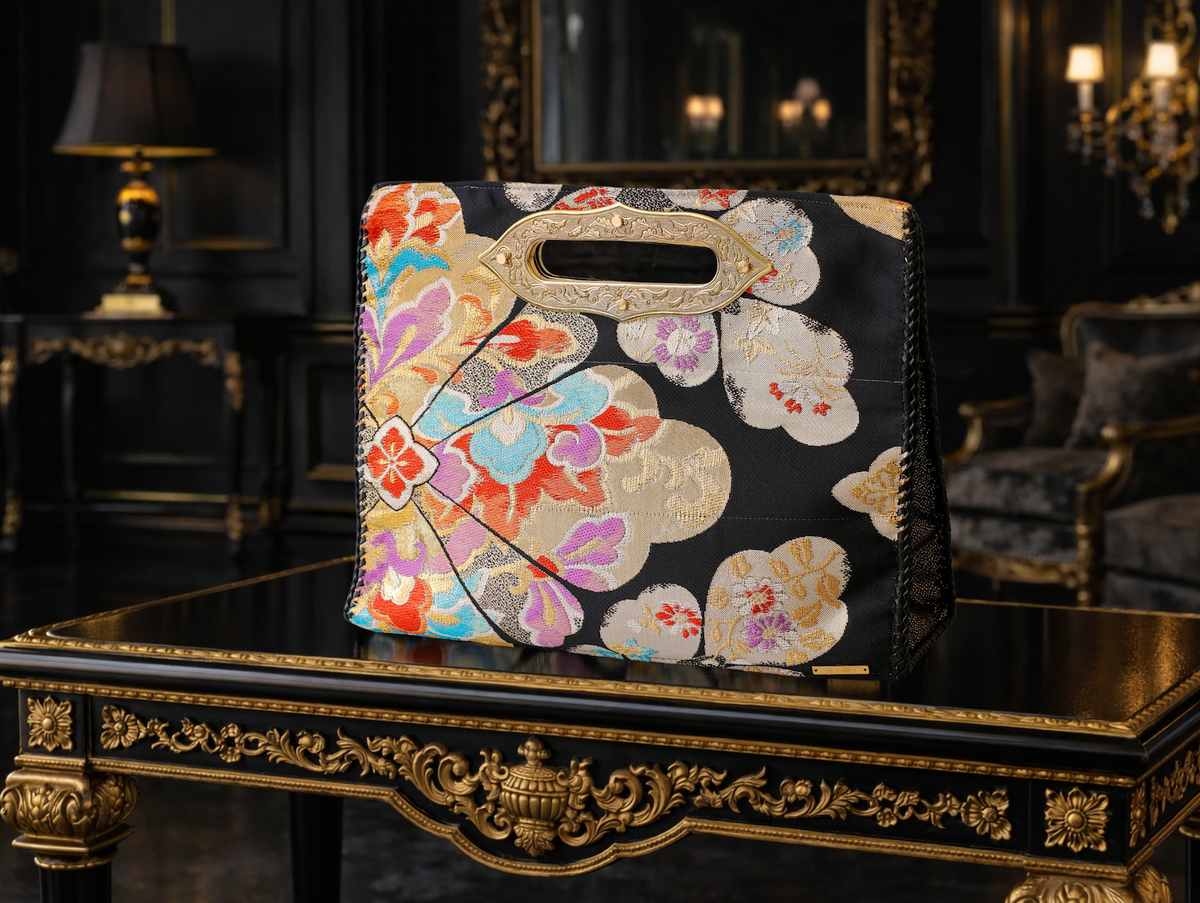
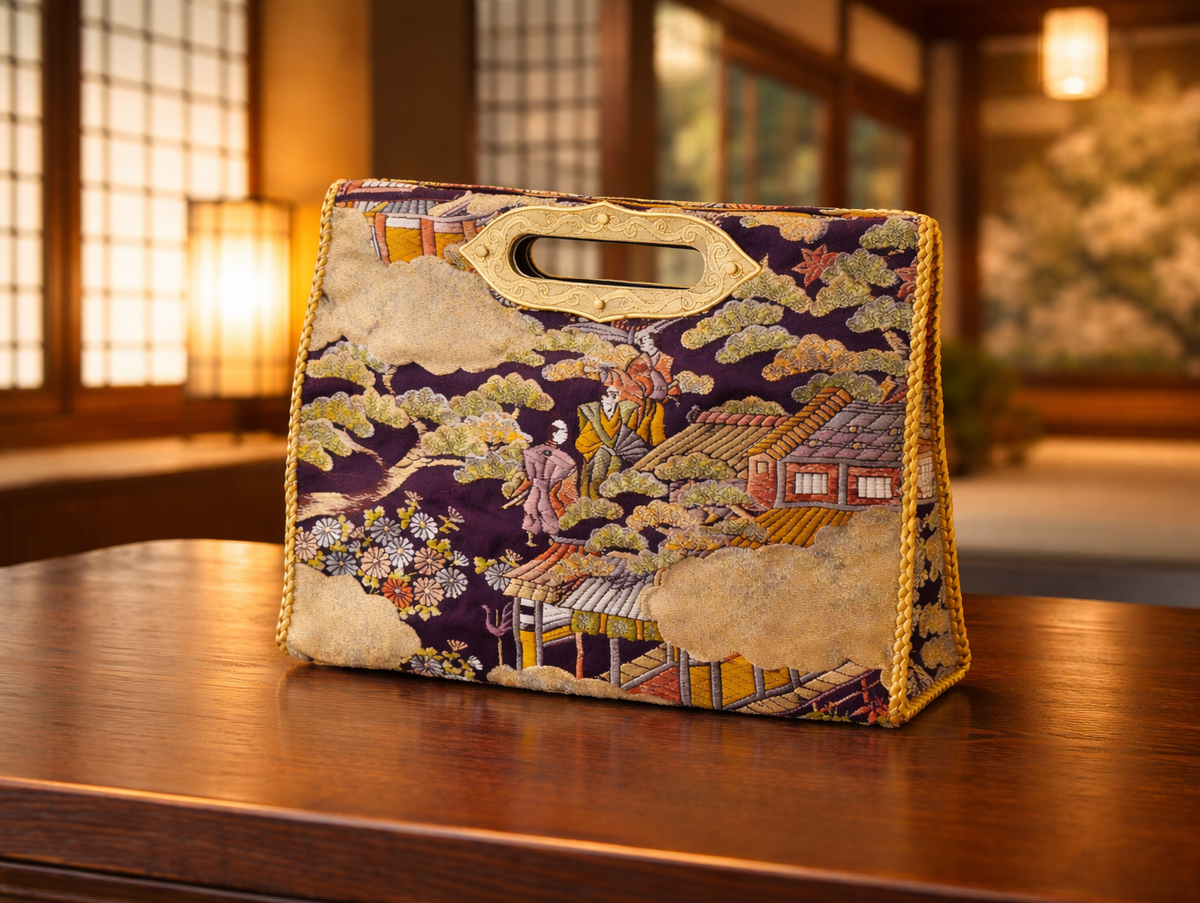
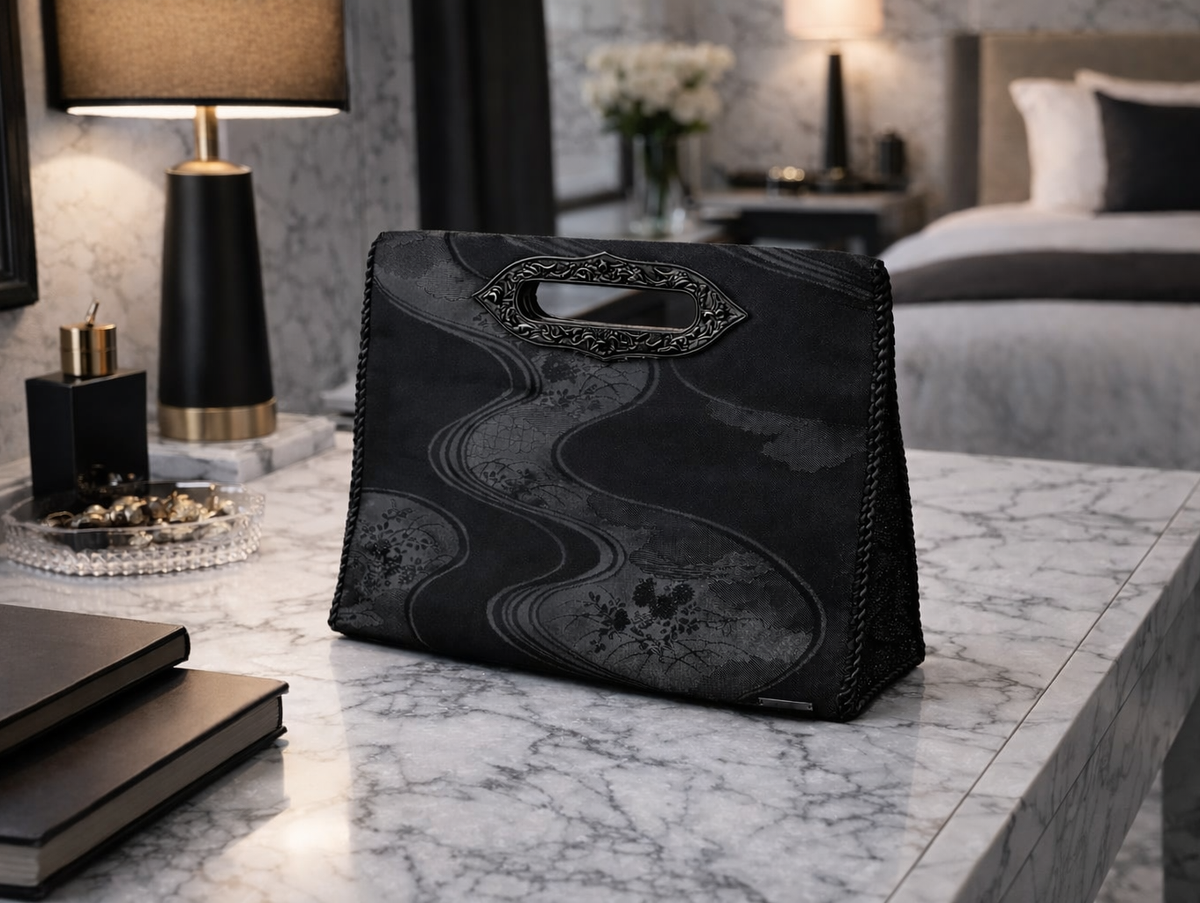
I am Iwaoka, Marketing Director for "Re:ADY B," a new apparel brand that reconstructs beautiful fabrics from kimonos and obi that are on the verge of being discarded, under the catchphrase "Beauty that already exists here."
We carefully upcycle each obi and kimono in collaboration with Type B employment support offices,
and share Japan's beautiful culture with the world.

A gifted kimono was the catalyst
The business started two years ago.
Noda, CEO of Setouchi Mirai Design Inc., the operating company, and designer for Re:ADY B, was asked by a friend's family to "take the kimonos from the chest of drawers" after the friend's mother passed away.
The kimonos were beautiful, but difficult to wear in everyday life.
She wondered if there was a way to incorporate them more into modern lifestyles.
So, she consulted with a pattern-making friend, remade a kimono into a skirt, and displayed and sold it at her own gallery space.
In fact, the market for kimonos sleeping in chests of drawers is said to be 30 million pieces, worth 8 to 20 trillion yen, and she learned that many people around her were facing similar dilemmas.
It is estimated that approximately 500,000 tons of kimonos are discarded annually, and nearly 70% of them are incinerated as waste.
It's truly a waste that Japan's beautiful culture, which has been passed down for generations,
is being discarded and allowed to fade away.

Creating a society where everyone can work regardless of their circumstances
While seriously considering making kimono upcycling a business, I was introduced to Mr. Yasukawa, representative of small.step Inc., which operates Type B employment support offices.
The number of welfare facilities for people with disabilities and the number of users are increasing year by year, and it is expected that the number of people who will be certified as disabled in the future will increase to 25.31 million, or 20% of the population.
Among these, Type B employment support offices are facilities where there is no set minimum wage, so the national average wage is a mere 233 yen per hour. The average monthly wage is about 17,000 yen.
It was shocking to learn for the first time that 20% of the population could potentially be working under such conditions.
Noda herself went through a period of mental distress after giving birth, losing her connection to society.
What saved her was the fulfillment of "work."
She would stay up late at night making accessories after her child was asleep, and they were well-received, generating more sales than expected.
After that, she created places where people who found it difficult to work due to environmental factors could have their time be a positive experience.
What she wants to achieve is "a society where everyone can work regardless of their circumstances."
That's why she couldn't leave this problem unaddressed once she learned about it.

What she came up with was to have the sewing for the kimono upcycling business done at Type B employment support offices and expand it overseas.
At Type B employment support offices, it is difficult for one person to do all the work, so by dividing the process and having specific individuals repeatedly perform specific tasks, productivity can be maintained.
In fact, the work done by the people at the workshops is very meticulous.
They are happy and motivated by the beauty of the kimonos and the prospect of expanding overseas.
Through this project, we aim to improve the working environment for the increasing number of people with disabilities,
convey the joy of working with a sense of purpose, provide "fair payment" for their work,
and encourage them to seek employment in general companies or Type A employment support services.
Two years ago, "Re:ADY B" began with a skirt remade from a gifted kimono, connecting various opportunities and relationships.
We look forward to working with you!
Marketing Director
Iwaoka Sumire