Addressing social issues
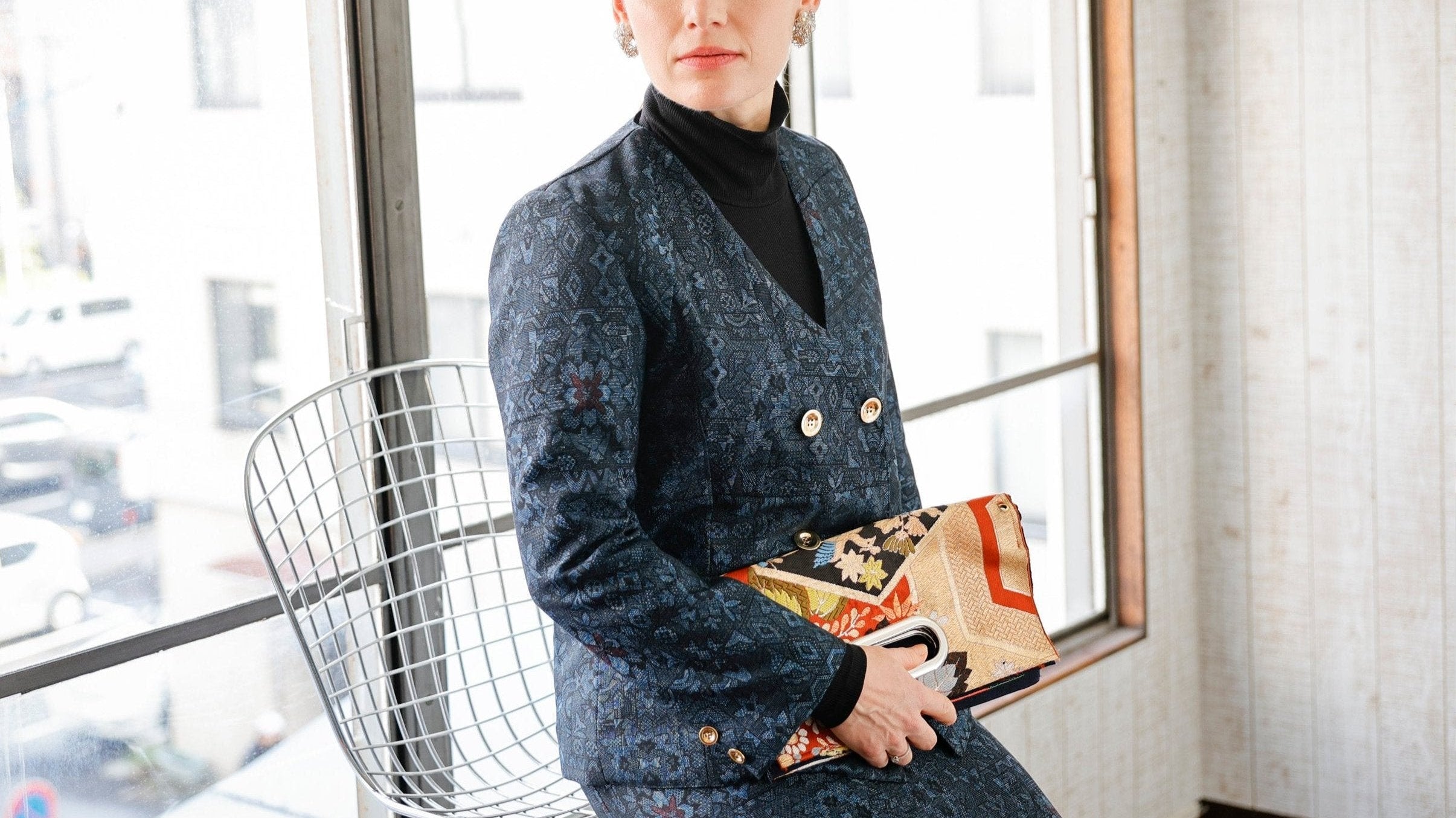
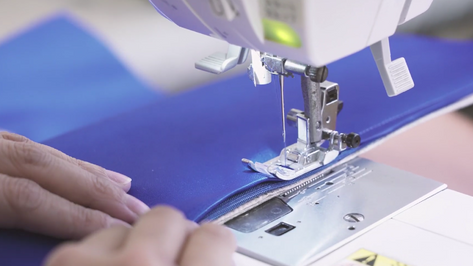
At Re:ADY B, we address three or more of the following four social issues in all product manufacturing processes. This project aims to solve social issues related to employment support for people with disabilities, the issue of kimono waste, the preservation of traditional culture, and the way women work.
Dying cultures
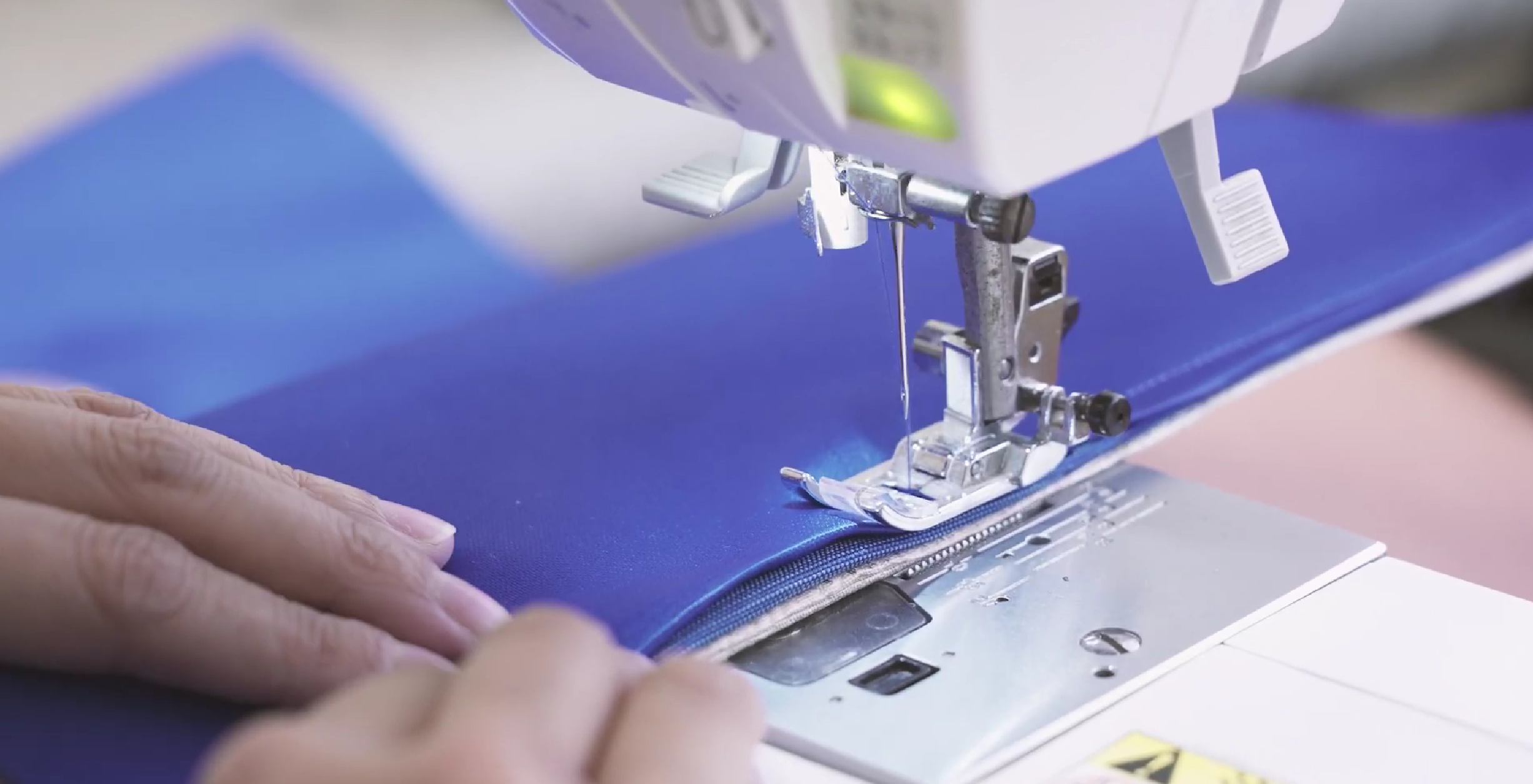
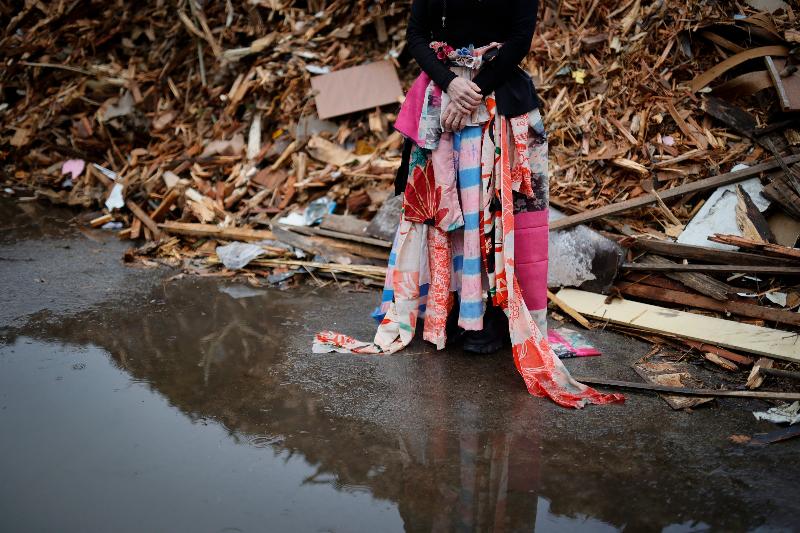
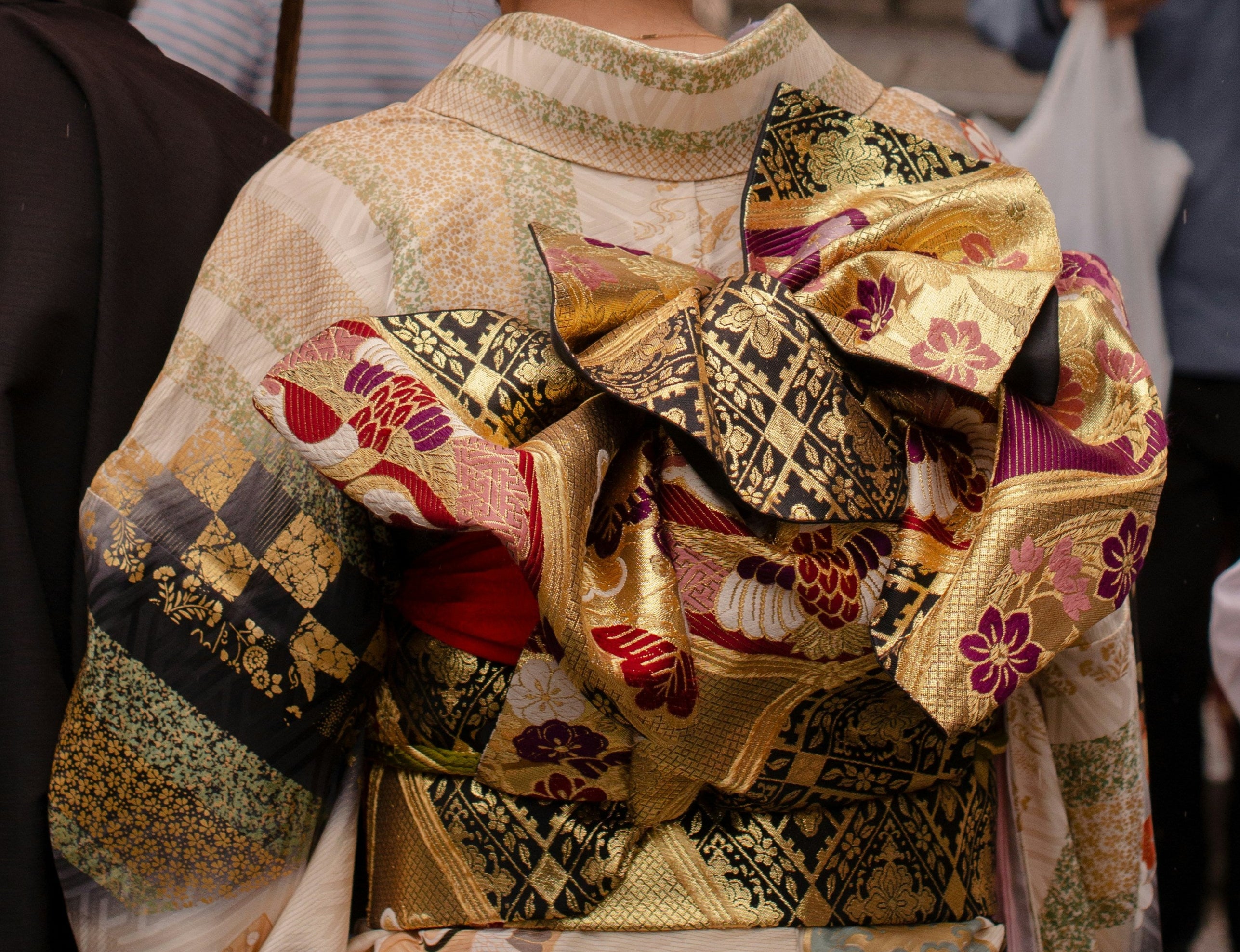
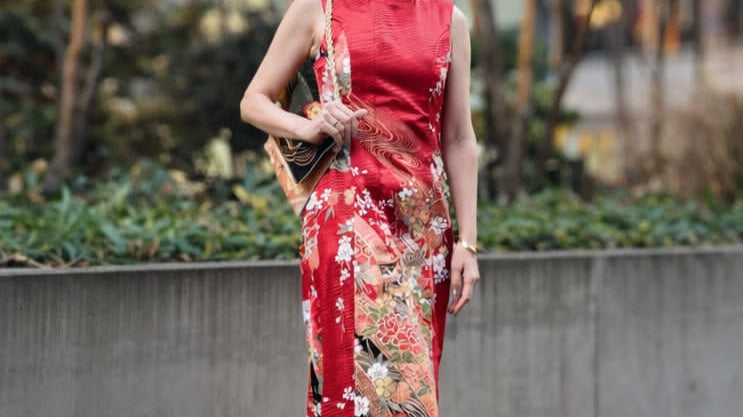
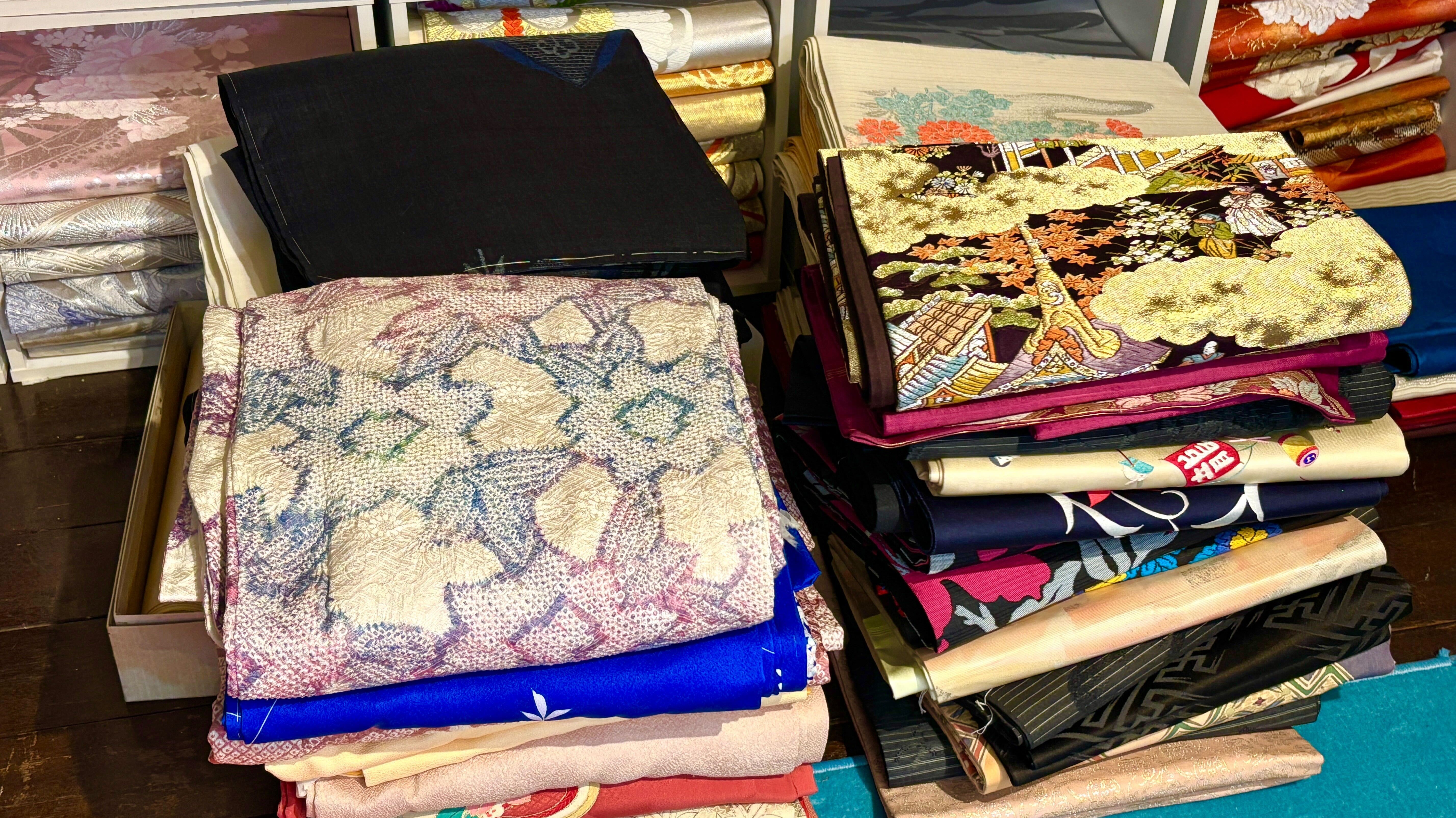
The brand was established after I received a large number of kimonos when an acquaintance passed away.
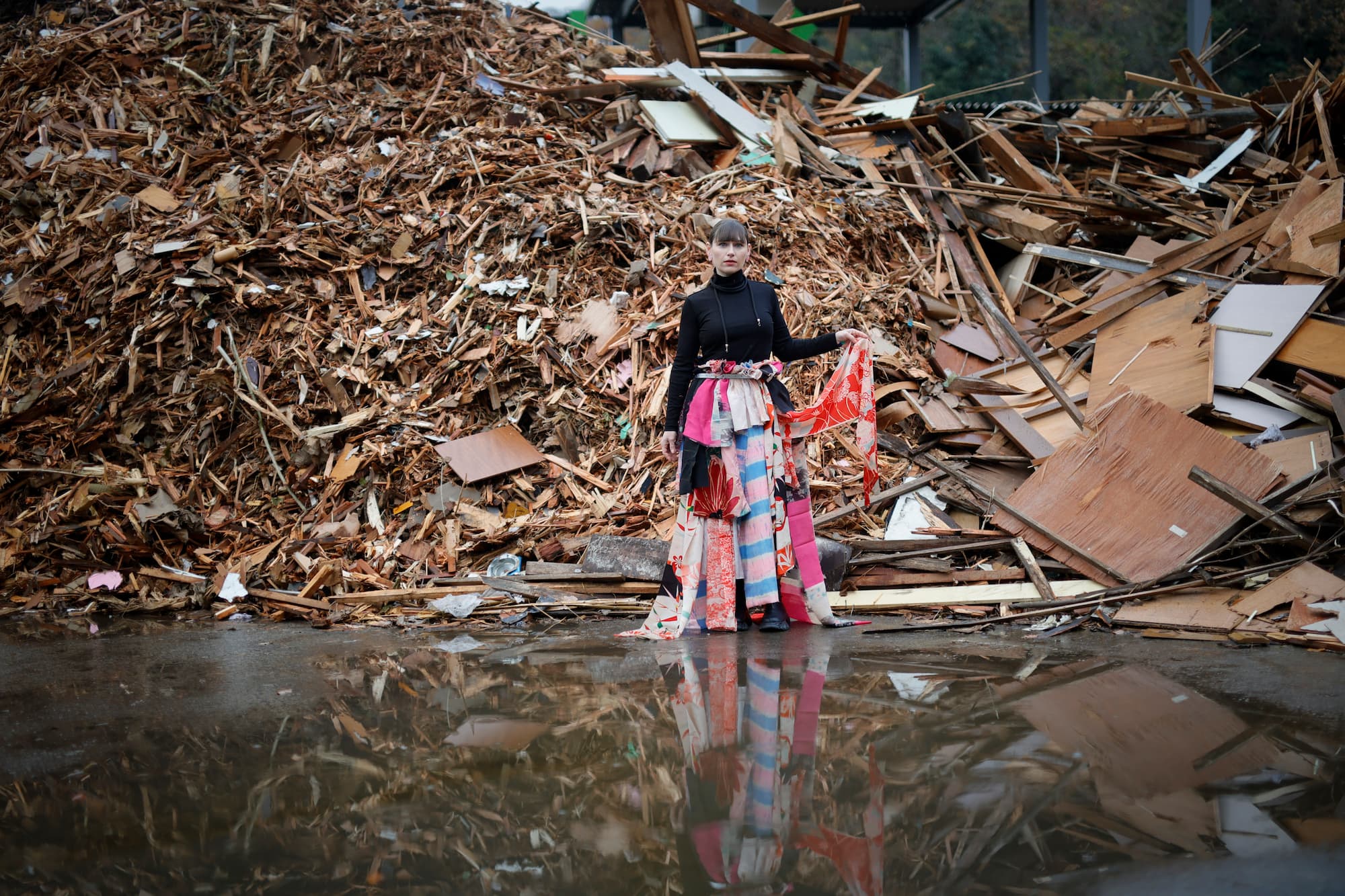
Kimonos lying dormant in many households' wardrobes, unless they are in good condition and accompanied by a box proving their brand, are often worthless and continue to be discarded.
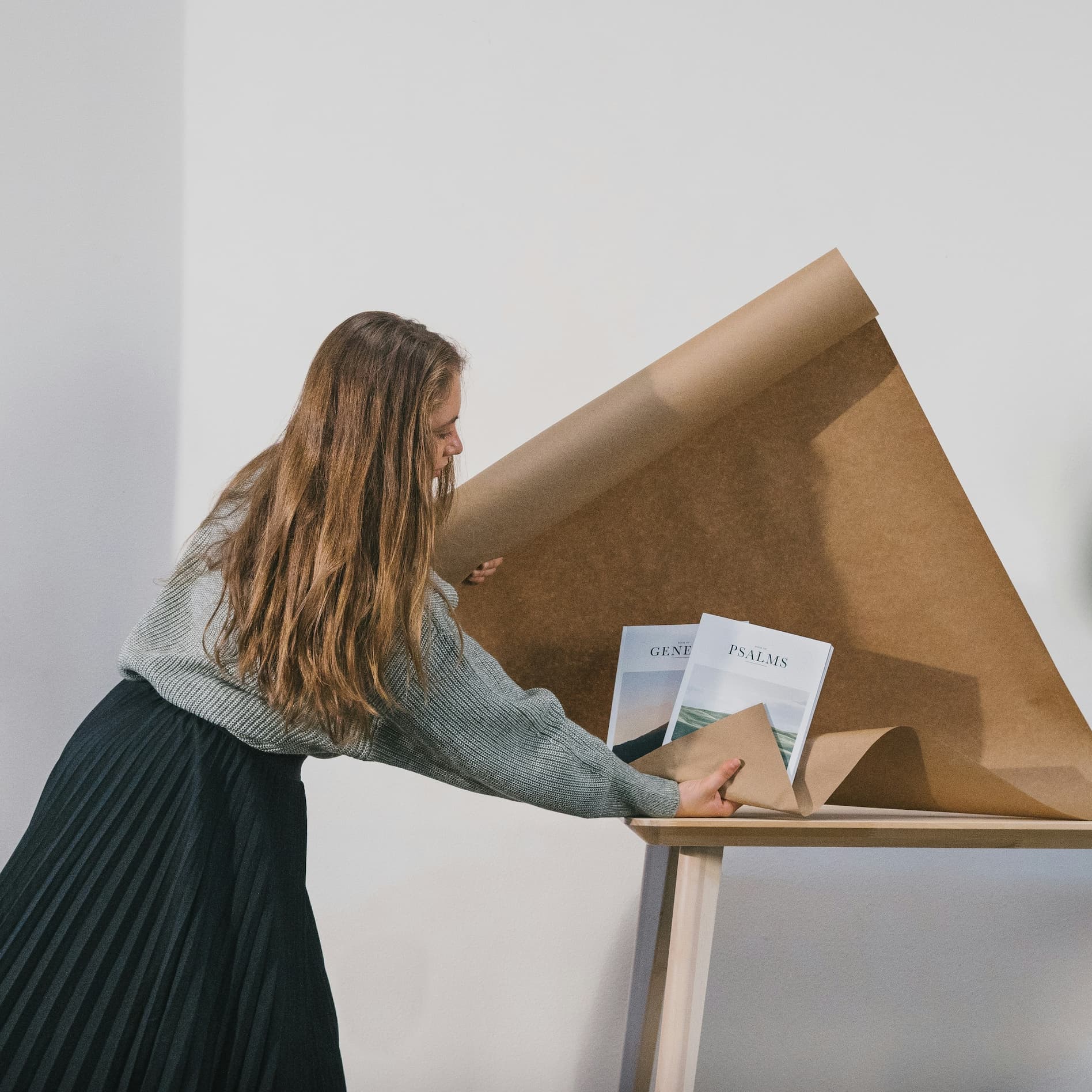
Every time I open the "tatoshi" paper wrapping a kimono, I am moved by its beauty, and at the same time,
I feel a sense of dread that such beautiful traditional craftsmanship was almost discarded.
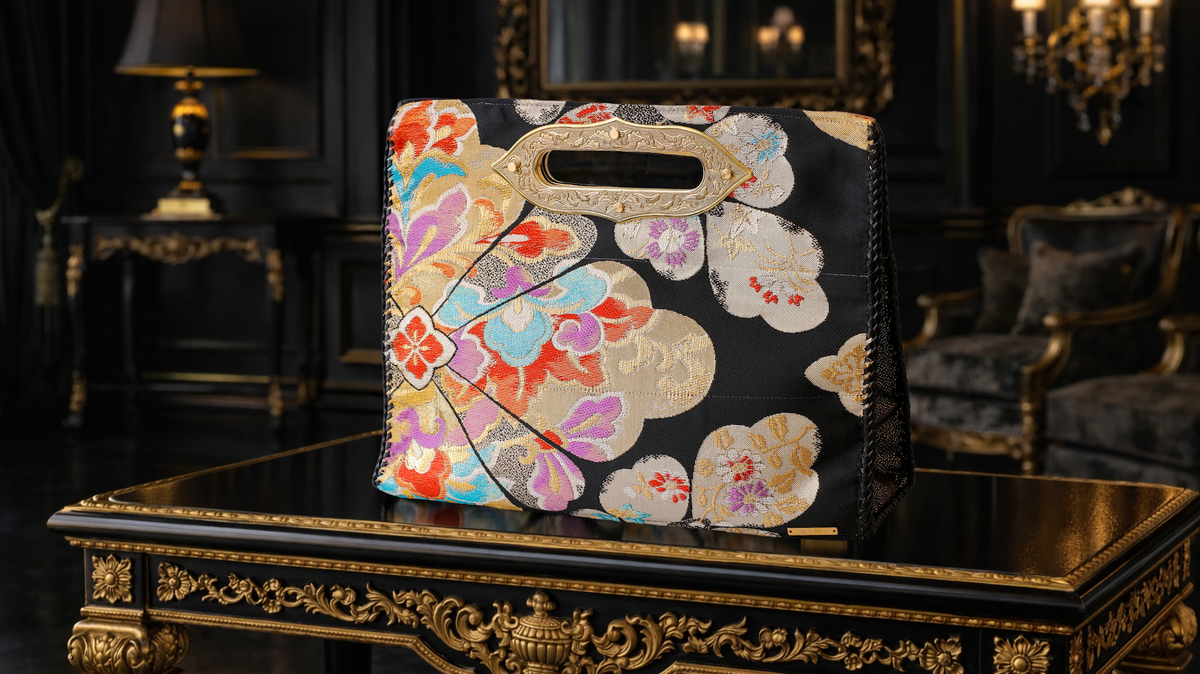
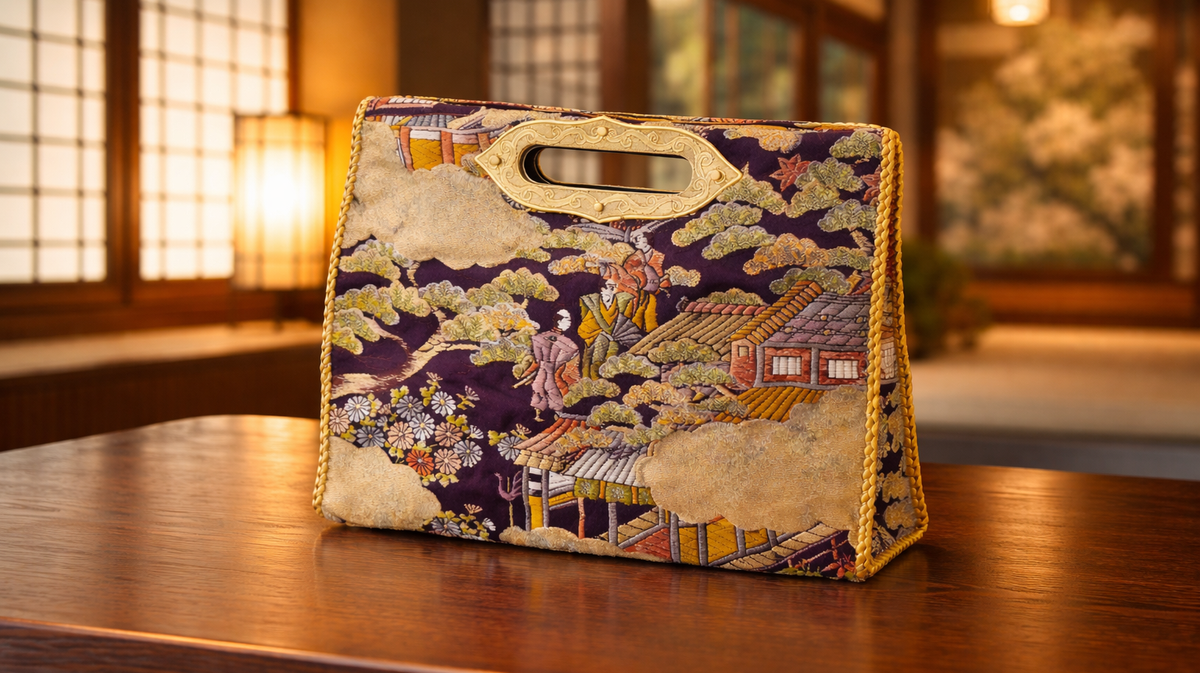
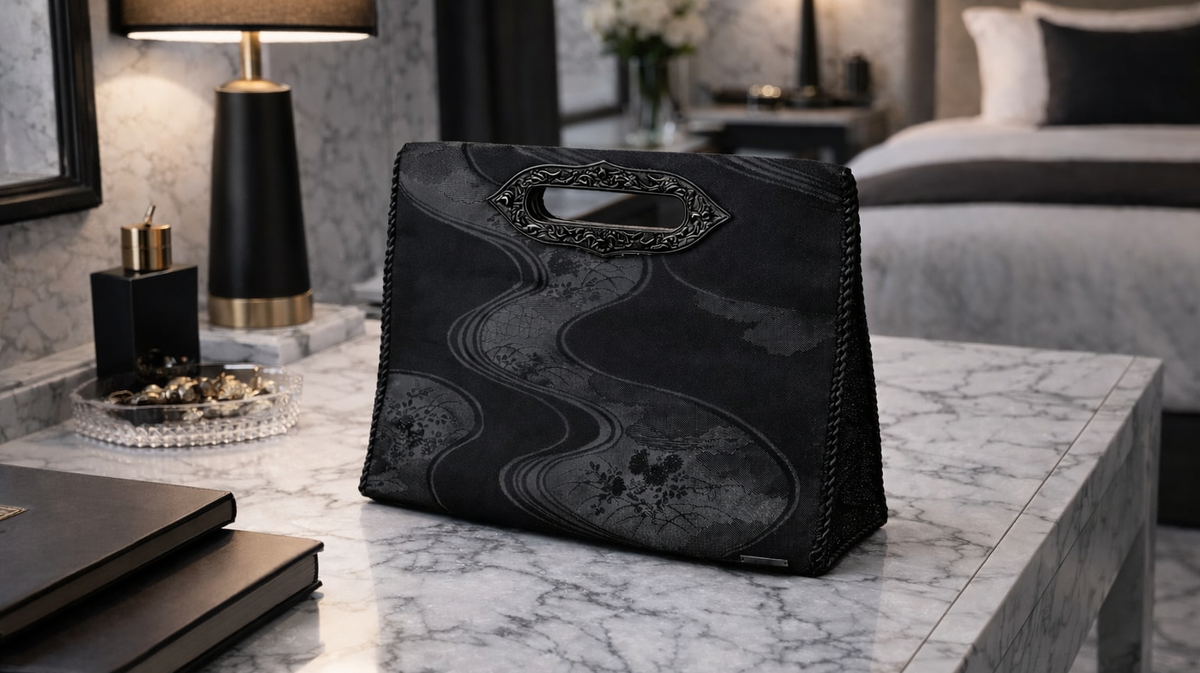
We are exploring all possible uses for kimonos, from those with splendid embroidery and beautiful Japanese patterns to plain kimonos used for everyday wear, mourning clothes, and even their scraps,
and aim to develop products with designs that suit modern lifestyles.
The ever-increasing "background"
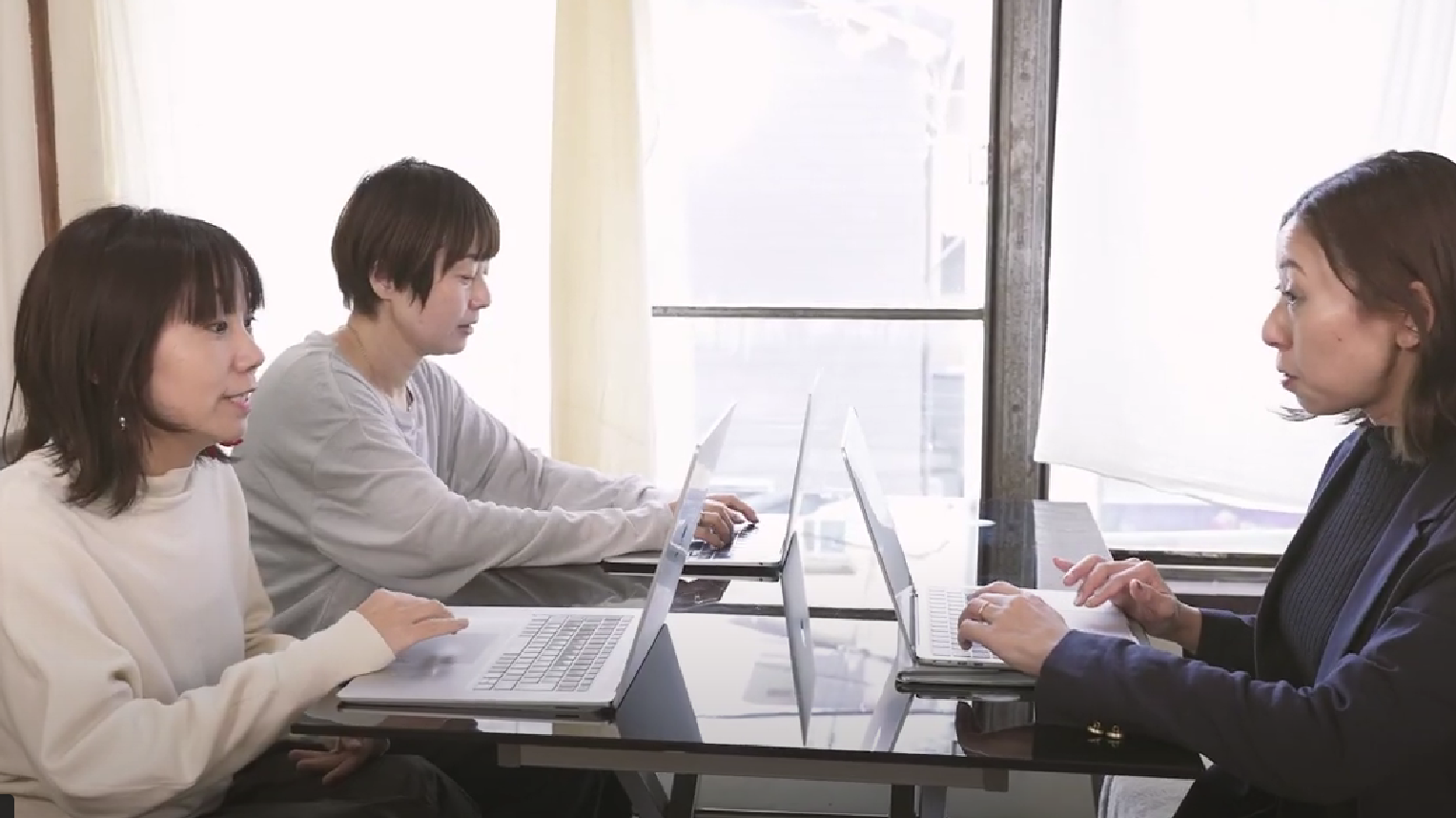
Our representative, having personally experienced losing all work opportunities after childbirth, has been striving to realize "a world where everyone can work with purpose, regardless of their life stage or circumstances."
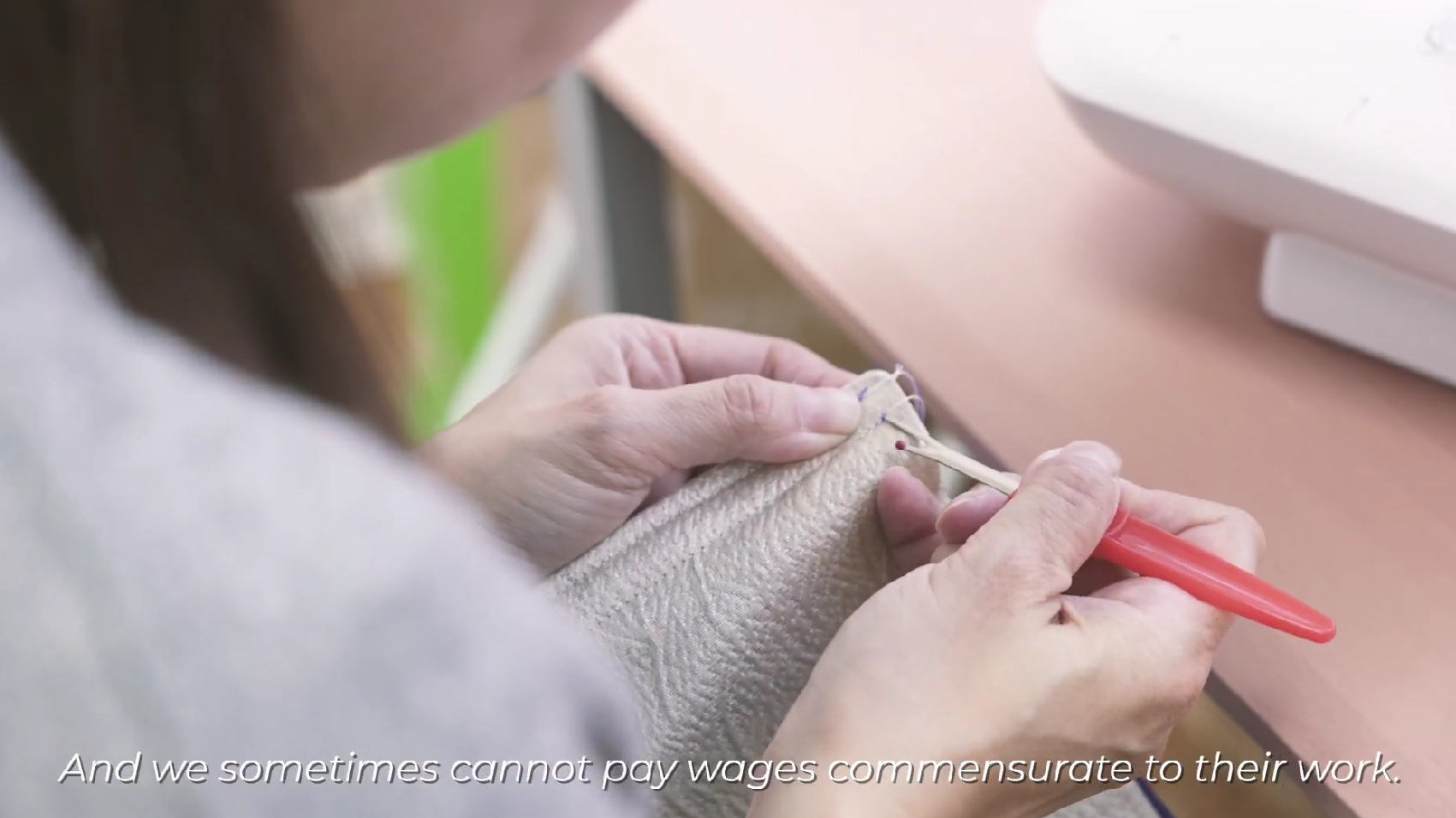
According to statistics, individuals with disabilities working in Type B employment support services earn an average wage of 243 yen per hour nationwide.
Currently, the number of people experiencing mental health issues continues to rise, with some predictions even suggesting that one in five people may eventually hold a disability certificate.
During our visit to North America for the Re:ADY B project's market research, we learned that there, fair compensation is paid for results, regardless of whether a person has a disability or not. We realized that this is precisely the world we aspire to create.
Re:ADY B aims to grow together with all those involved through fair transactions.
Partner Company Introduction
Re:ADY B develops products in collaboration with various companies and organizations.
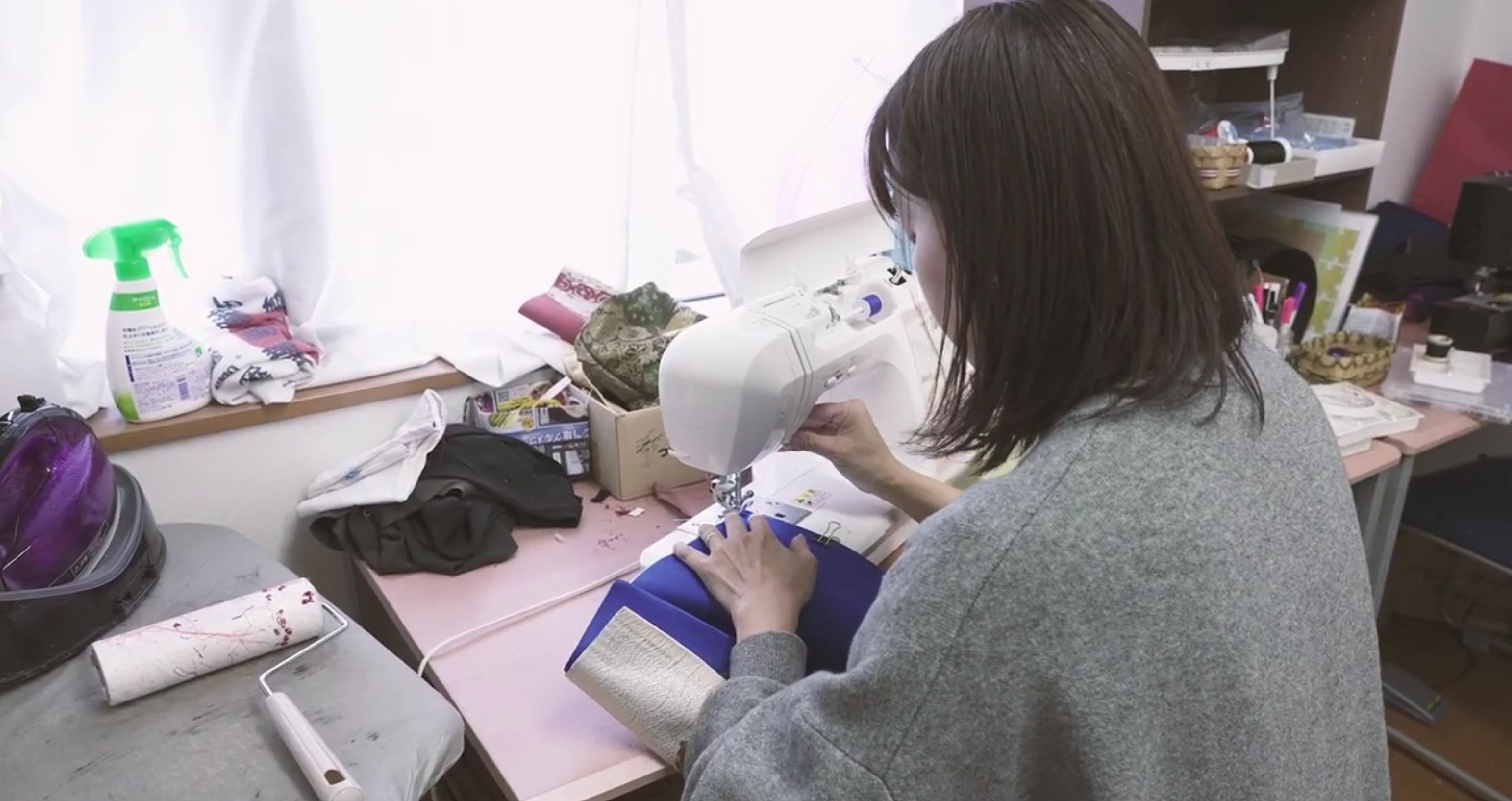
Dandelion Type B Employment Support Office
A portion of the product sewing work is outsourced to "Dandelion," operated by small.step Inc. They are primarily responsible for producing our flagship product, the "8-way crutchbag." They are a partner company that can be considered the "origin" of Re:ADY B.
small.step Inc. (Operating Company)
4303-1 Miyauchi, Hatsukaichi City
Representative: Tomomi Yasukawa
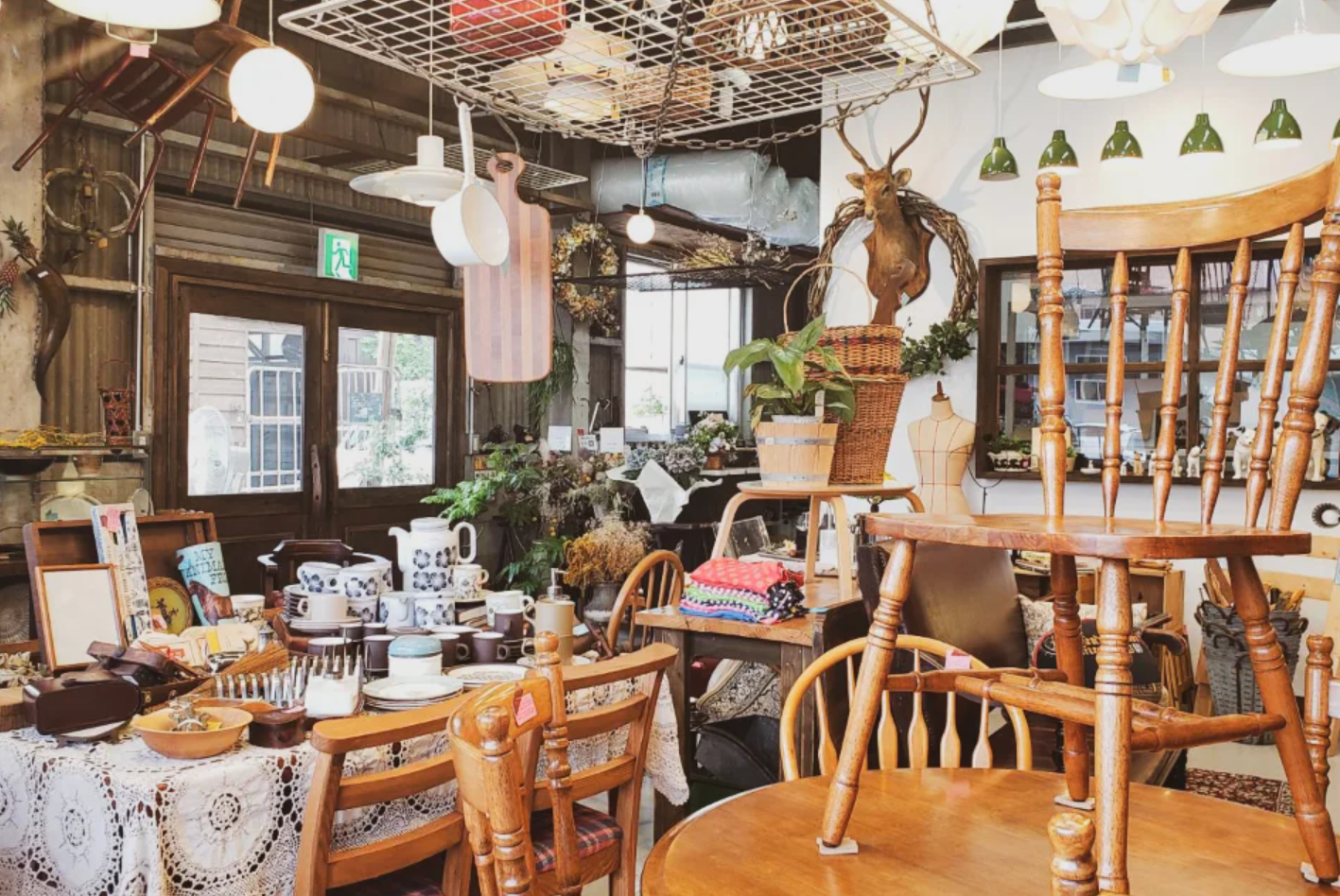
One or Eight Co., Ltd.
We are collaborating with One or Eight Co., Ltd., which operates a recycling shop while providing estate-clearing and pre-death decluttering services based on the concept of "bridging the gap from those who don't need it to those who do," regarding the procurement of kimonos and obis.
3-24-33 Gion, Asaminami-ku, Hiroshima City
Representative: Tadashi Hara
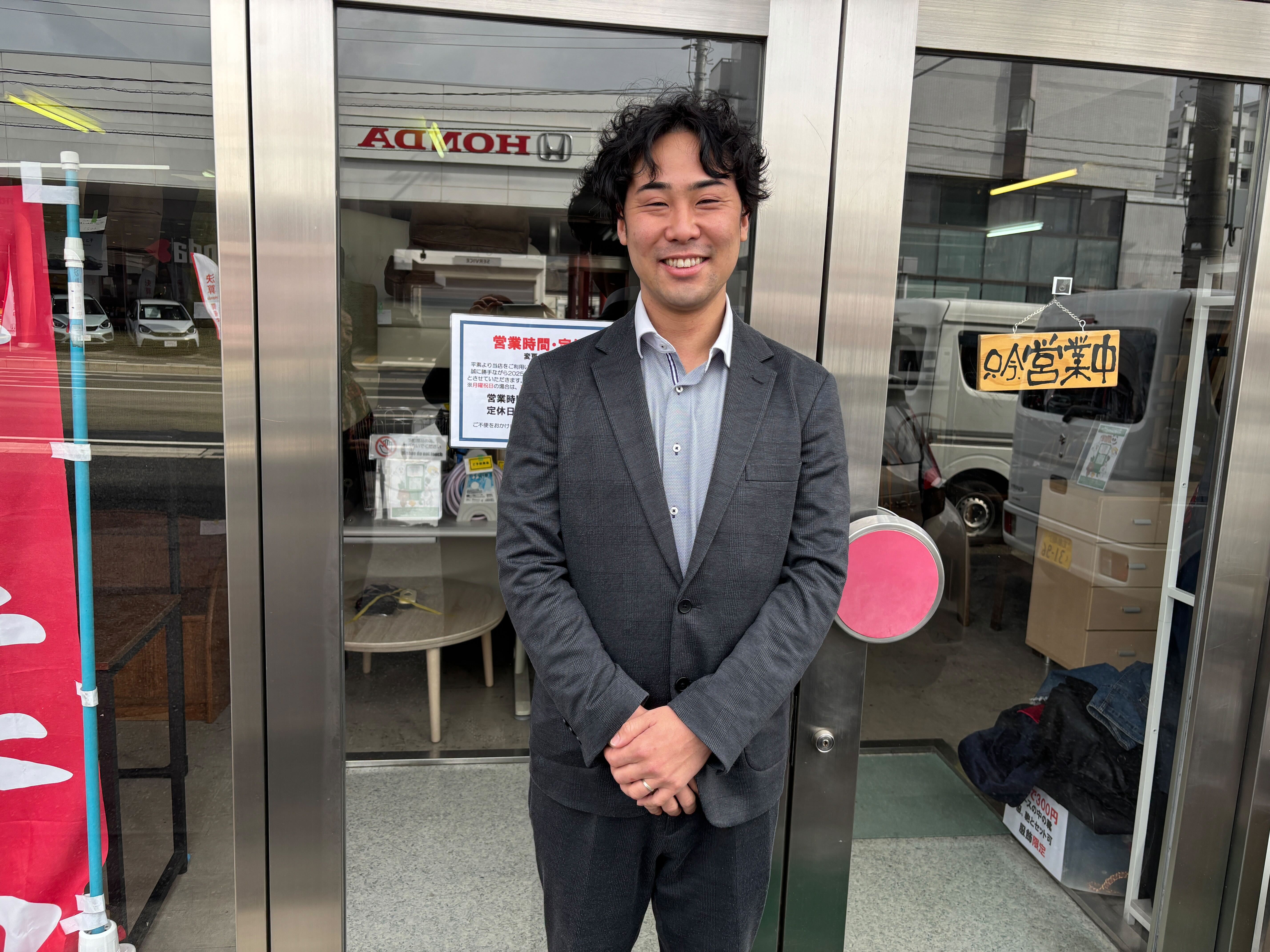
NEUTRAL Co., Ltd.
We are collaborating with NEUTRAL Co., Ltd. as a supplier of kimonos that come in large quantities during estate cleanouts and other events. They purchase a wide variety of items and have provided us with many kimonos and obi.
3rd Kajikawa Building, 1-14-21 Iguchi-dai, Nishi-ku, Hiroshima City
Representative: Yuya Shin
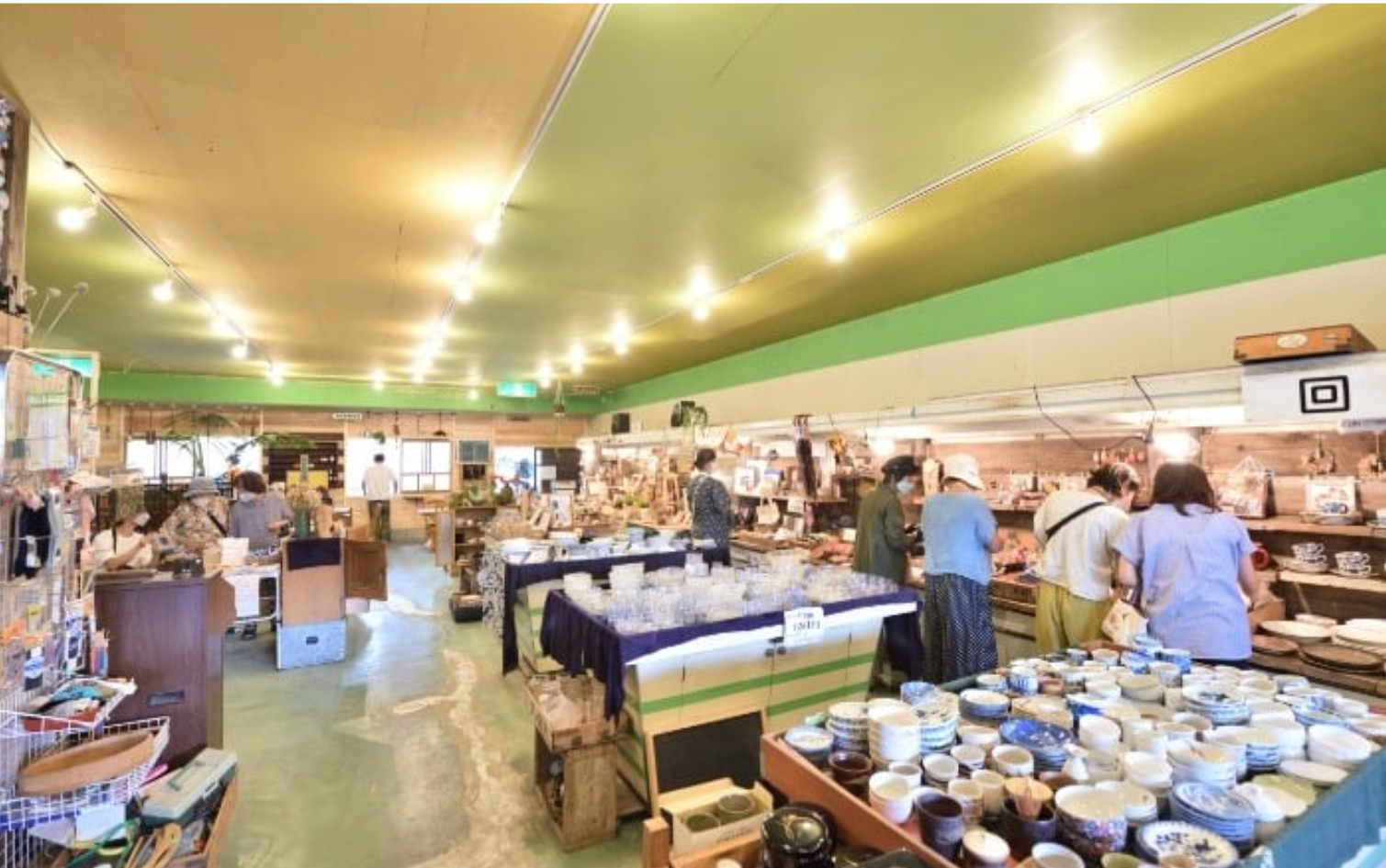
Tokorabo LLC
We are collaborating with Tokorabo LLC, a company that operates a rental space, upcycling business, and community events in Tsuda, Hatsukaichi City, on the procurement of kimonos and obi. Through their "Nagasta" initiative, they connect people through upcycling of goods, services, and places, and are also involved in employment support.
4191-6 Tsuda, Hatsukaichi City
Representatives: Moe Kanazawa, Mayu Kuroki
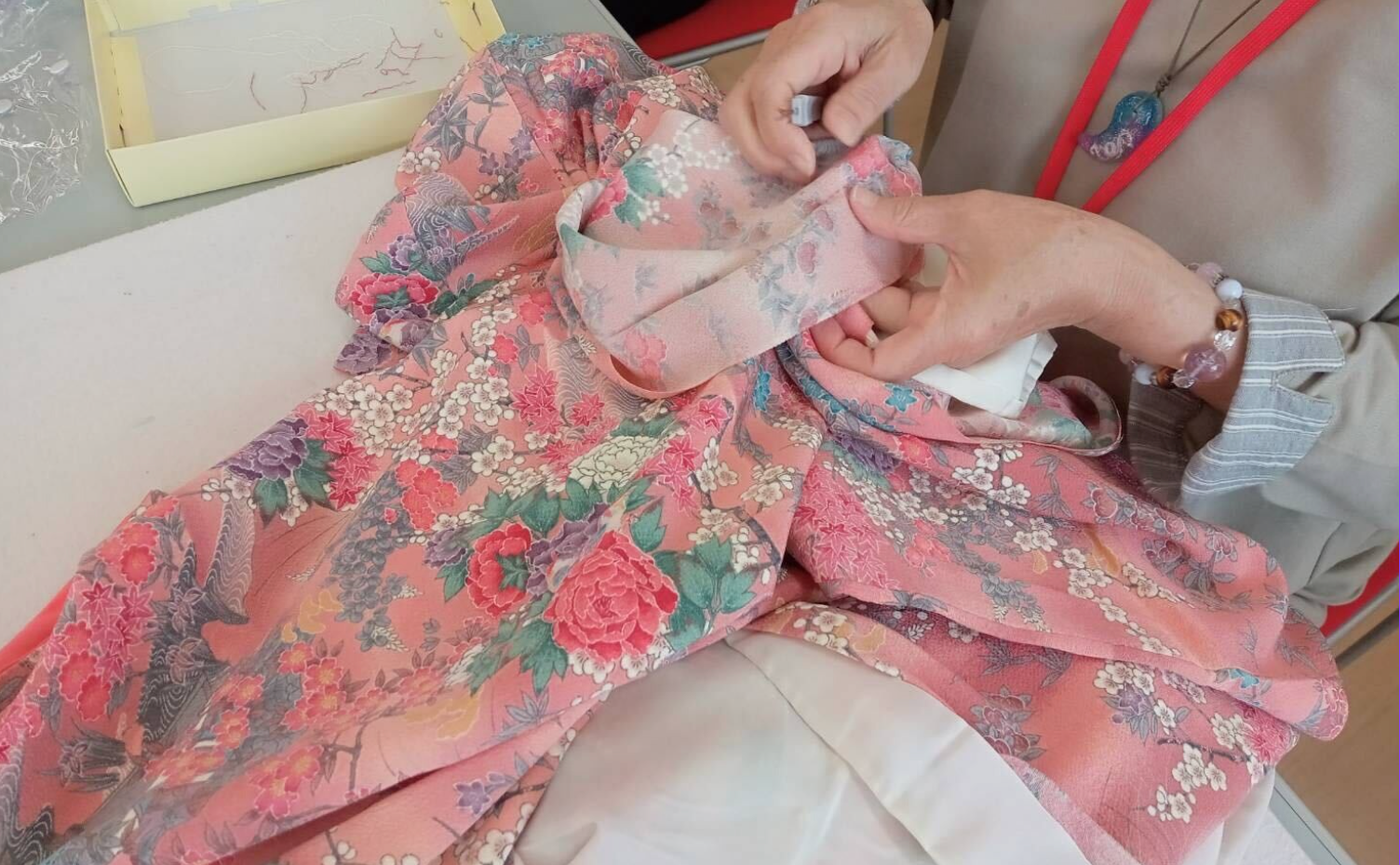
Aozora Type B Employment Service Office
As preparation for making clothes, the task of dismantling kimonos is outsourced to "Aozora," an employment service office for women operated by Katsuya Wasai Co., Ltd. Katsuya Wasai Co., Ltd., which operates the office, is a company that has been committed to training female kimono tailors through kimono sewing and has created a female-friendly work environment.
1-14-9 Kannon Honmachi, Nishi-ku, Hiroshima City
Representative: Mr. Yasuji Azuma
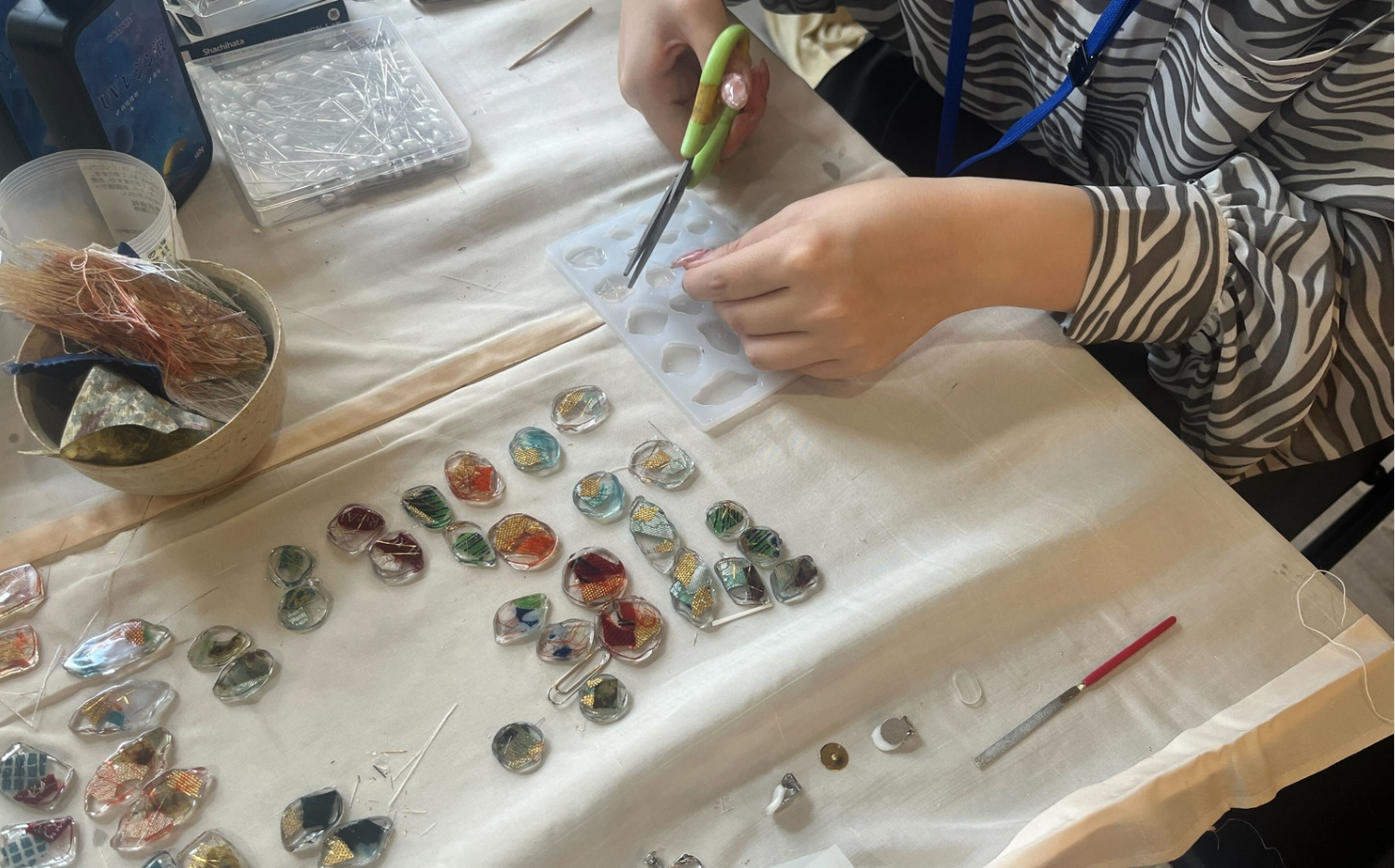
CHIMED Supported Employment Office
We collaborate with CHIMED, a supported employment office where people with disabilities, such as depression and developmental disorders, attend to aim for general employment. As part of their employment support, CHIMED conducts light work, such as making accessories from kimono scraps, twice a week at our facilities.
2-5-5 Yokogawa-cho, Nishi-ku, Hiroshima City
Business Unit Manager: Teppei Terayama
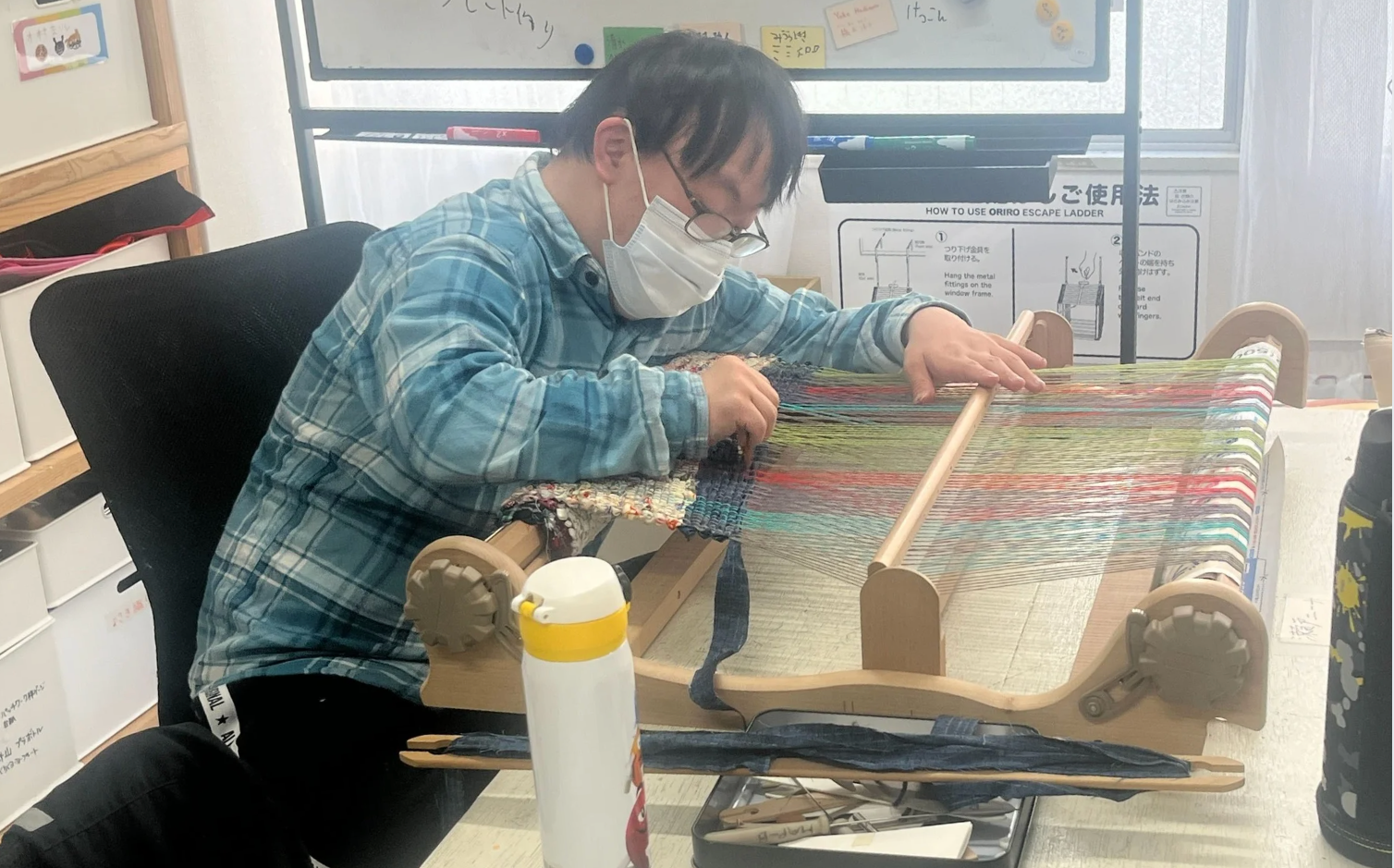
HAP-lab General Incorporated Association
We are jointly developing interior products such as wall hangings and mats with HAP-B, a Type B welfare service that promotes manufacturing using local resources, where people with diverse personalities can thrive. We are utilizing the "sakiori" weaving technique, where discarded kimonos are torn into strips and hand-woven. HAP-B handles the entire process from tearing the kimonos to weaving them.
Muraoka Building 2F, 4-1 Hashimotohigashi, Naka-ku, Hiroshima City
Representative: Naruyo Maki
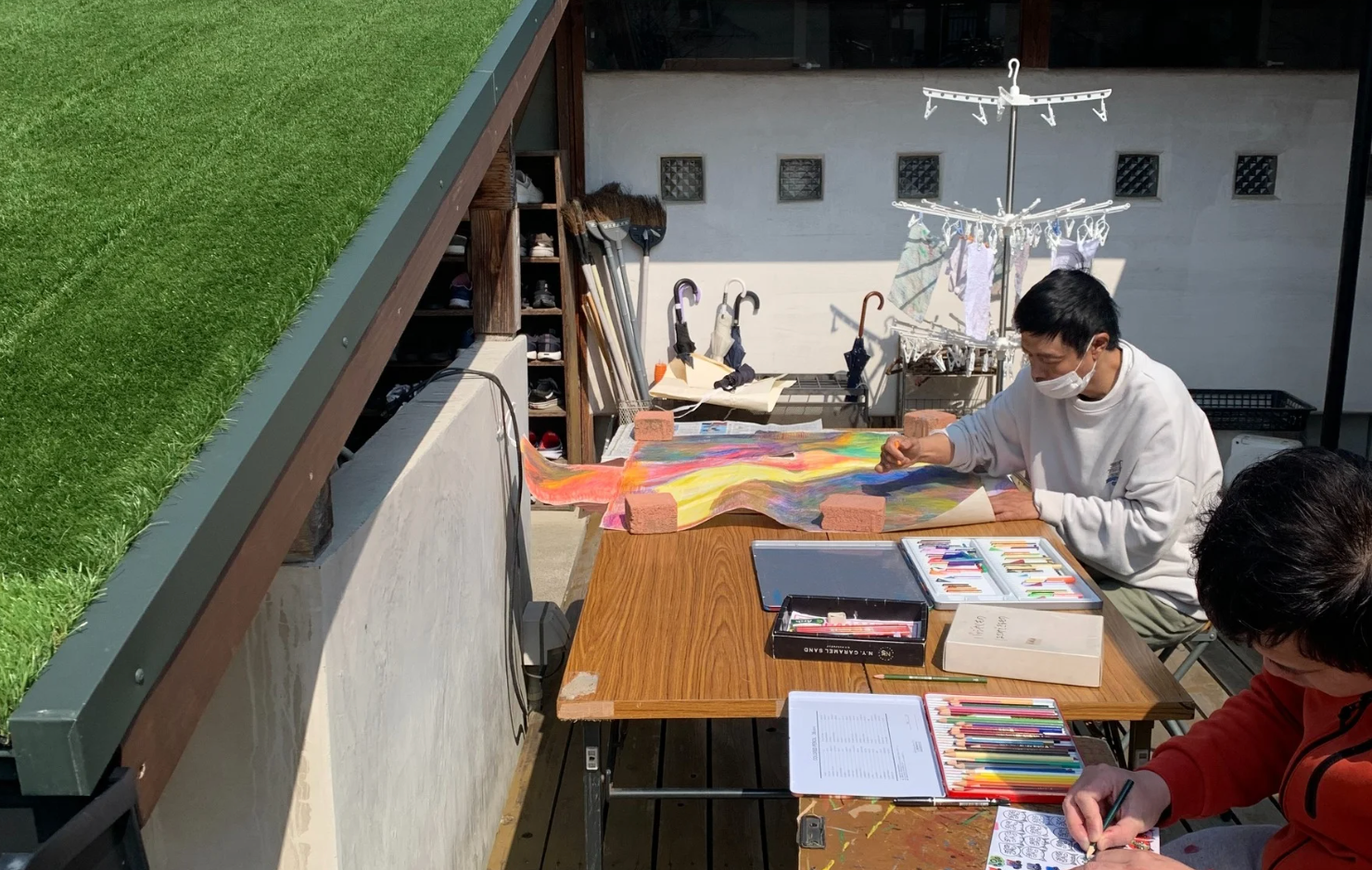
Community Hot Space Pompon
We outsource the production of brooches made from kimono fabric scraps to Community Hot Space Pompon, which is operated by NPO Community Leader Hurepon. This organization supports children's developmental needs and helps people with disabilities participate in society. We are also currently developing a new product using tatogami (paper used to wrap kimonos).
6-28-15 Kawauchi, Asaminami-ku, Hiroshima-shi
Representative: Takashi Kawaguchi

WISH Co., Ltd.
WISH Co., Ltd. provides employment transition support for people with physical, intellectual, and visual disabilities. They offer various work opportunities, including in-house tasks and facility employment. They also provide guidance on using public transportation and etiquette training to support daily living. Individuals who are skilled at hand-sewing create the strap parts for obi straps and scrunchies.
Asahi Building 201, 1-15-1 Jomachi, Mihara City
Representative: Kenji Yamada

Special Medical Corporation, Daijikukai Waiwai Kobo
Waiwai Kobo is an employment support service that helps individuals who want to work. They collaborate with related organizations to support people in leading fulfilling lives in their communities through employment.
We commission a client, who loves sewing so much that they even remake their own clothes, to sew garments for us.
9-25-18 Nakano-cho, Mihara City
Manager: Goshiro Tanaka

Social Welfare Corporation Wakana Kizuna no Sato
This is an organization that supports individuals according to their needs to help them "shine by specializing" in what they are good at and what they love, achieving their desire to "work." We have asked them to tie obijime for obijime straps using the same knotting method as mizuhiki, and then sew them into place.
997-1 Kawakita, Kanna-cho, Fukuyama-shi, Hiroshima Prefecture
Chairman: Tatsuya Fujimoto
The future of Re:ADY B
Re:ADY B aims to create an environment where everyone involved can work in a rewarding and true way.
Our philosophy is to grow both our business and our people.
Using the power of beautiful materials already existing in the world (such as kimonos and obi), born from the techniques that Japan has cultivated since ancient times,
We will tackle the issue of mass waste in the apparel industry and build a new brand concept.
First, we will work with domestic companies and organizations to expand the scale of the project by making Setouchi Mirai Design the hub for the project.
We will grow into a JAPAN brand that the world can be proud of.
Setouchi Mirai Design Co., Ltd. Representative Director: Noda Karin
![[Interview] Yuya Arata, NEUTRAL Inc.](http://readyb.store/cdn/shop/articles/IMG_1037.jpg?crop=region&crop_height=3208&crop_left=0&crop_top=537&crop_width=5712&v=1738931991&width=5712)
![How to have fun choosing a bag [Re:Discover Kimono]](http://readyb.store/cdn/shop/articles/P1010914.jpg?crop=region&crop_height=842&crop_left=0&crop_top=141&crop_width=1500&v=1737191029&width=1500)